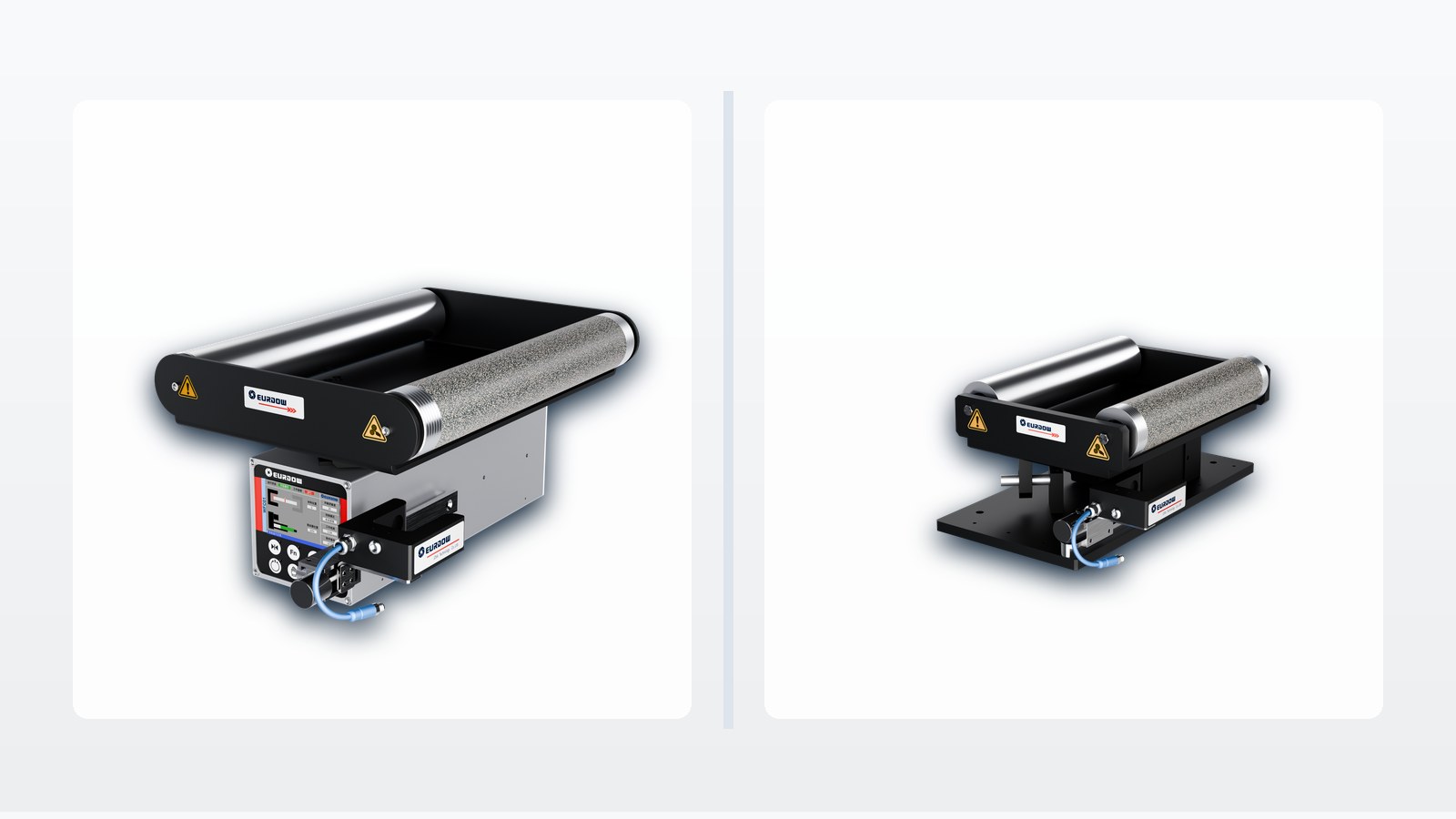
Selecting a web guiding system involves more than specifying a controller or picking a sensor type. The overall mechanical structure of the system - how the controller, sensor, actuator, and frame are organized and matched - has a direct impact on installation complexity, correction stability, and long-term maintenance.
For many machine builders and retrofit engineers, the first structural decision is this: use an integrated web guiding frame, or build the system from separate web guide components? Both approaches are used in production environments. Neither is universally the right answer. The practical choice depends on machine type, web width, available installation space, required correction force, and the degree of customization the application demands.
This article explains the differences between the two configurations and provides selection guidance for machine builders, OEM engineers, and buyers planning a retrofit project.
Why Web Guiding Structure Matters
A web guiding system functions as a coordinated assembly. The edge sensor detects web position, the controller processes that signal and drives the actuator, and the actuator moves the guiding frame to correct web travel. Each of these elements must be mechanically and electrically compatible.
When the structure is mismatched - for example, an actuator with insufficient stroke paired with an oversized frame, or components that are not properly matched for signal, stroke or correction force - the result is often unstable correction, delayed response, or limited correction range. Choosing the right system structure at the specification stage reduces integration problems during commissioning and avoids unnecessary rework later.
What Is an Integrated Web Guiding Frame?
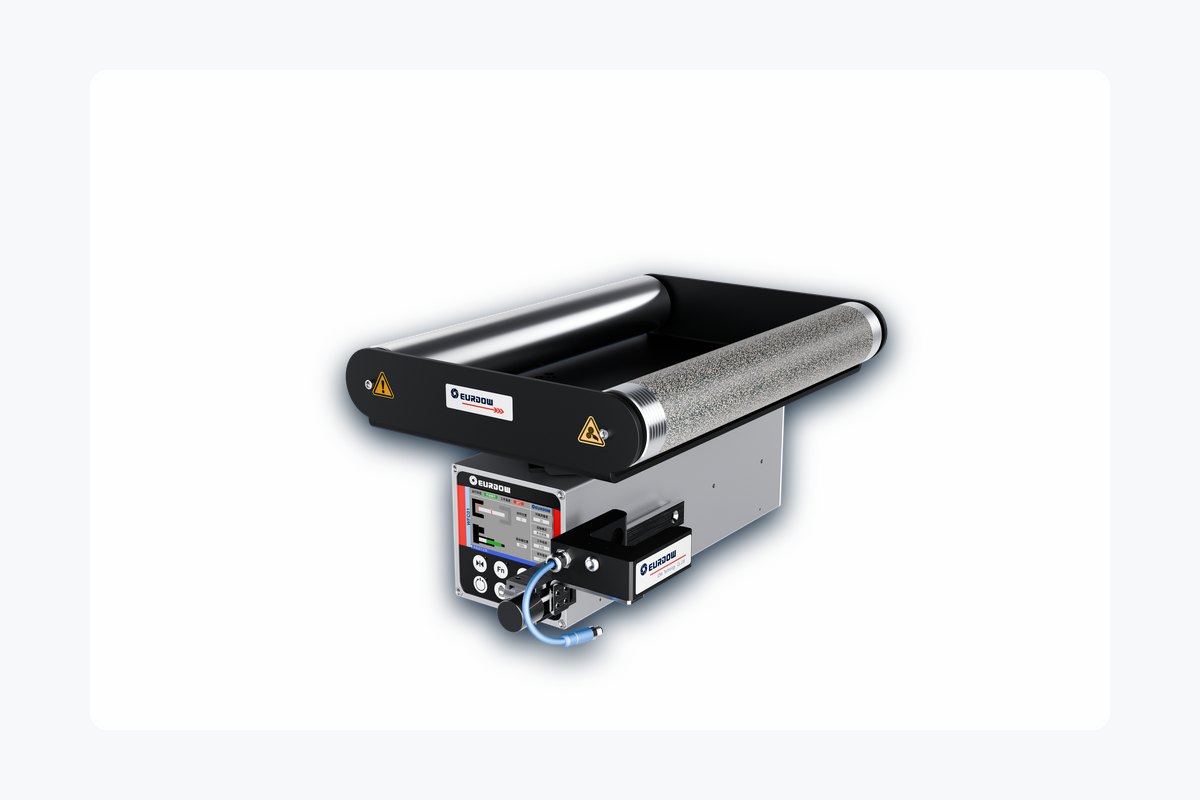
An integrated web guiding frame combines the guiding frame, actuator, sensor mounting provision, and controller interface into a single, pre-matched mechanical unit. The components are selected and configured to work together, and the assembly is designed for direct installation into a defined space on the production line.
This structure is commonly used in applications where:
- Web widths are within a standard narrow-to-medium range
- Installation space is limited or constrained by machine layout
- Correction requirements are predictable and within the frame's standard specification
- The buyer or machine builder wants a straightforward installation with minimal field integration work
Typical applications:
- Label printing machines
- Digital printing machines
- Die-cutting machines
- Narrow web converting equipment
- Compact retrofit projects where a self-contained guiding unit simplifies installation
The WFC01 Web Guide Controller is an example of a controller used in integrated frame configurations, where the controller is matched to the actuator and frame as part of a coordinated system package.
An integrated frame does not eliminate the need for proper installation and alignment, but it reduces the number of independent component decisions the buyer or installer must make.
What Are Separate Web Guide Components?
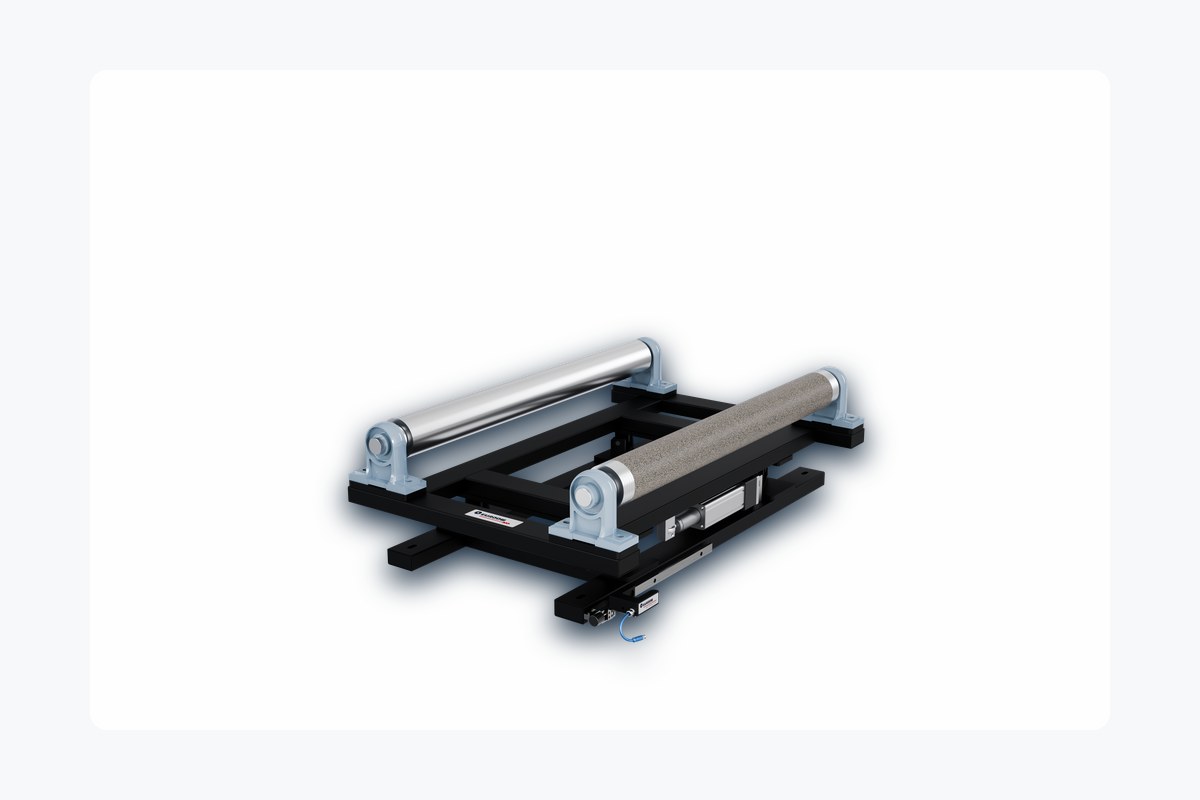
A separate component configuration uses independently selected parts: a web guide controller, edge sensor, actuator, and guiding frame that are specified individually and integrated on-site or during machine assembly. This approach offers more flexibility in matching components to machine-specific requirements.
Separate component systems are more commonly used when:
- Machine layout or web path is non-standard
- Web widths are wider, requiring actuators with greater stroke or correction force
- The guiding frame must be custom-designed or adapted to an existing machine structure
- Sensor position, actuator mounting orientation, or frame geometry cannot follow a standard arrangement
- The project involves a more complex converting line with multiple guiding positions or process sections
Typical applications:
- Slitting and rewinding machines
- Coating and laminating lines
- Wider web converting machines
- Machines with customized web paths or multi-section layouts
- Applications where sensor type must be selected independently based on material characteristics
Product examples for separate component configurations include the WGC01 Web Guide Controller, EDS-02 Ultrasonic Sensor, EDR-02 Infrared Sensor, WU2000 Actuator, and ACT01 Web Guiding Actuator. Each component is specified based on the requirements of the individual application.
Integrated Frame vs Separate Components: Key Differences
| Selection Factor | Integrated Web Guiding Frame | Separate Web Guide Components |
|---|---|---|
| System structure | Pre-matched components in a single frame assembly | Independently selected components integrated on-site |
| Installation space | Compact - suited for limited space | Flexible - components positioned per machine layout |
| Installation complexity | Lower - fewer integration decisions required | Higher - requires more coordination during commissioning |
| Component matching | Pre-matched by supplier | Buyer or integrator responsible for compatibility |
| Machine type | Narrow web, standard layout machines | Wide web, custom layout, or multi-section lines |
| Retrofit suitability | Well-suited for standard retrofit positions | Suited for retrofits requiring custom frame or actuator placement |
| Customization flexibility | Limited to standard frame configurations | High - each component can be specified independently |
| Maintenance consideration | Fewer separate parts to maintain; replacement follows frame spec | Component-level replacement; more flexibility in sourcing individual parts |
| Typical applications | Label printing, digital printing, die-cutting | Slitting, rewinding, coating, laminating, wide web converting |
| Selection caution | Confirm web width and correction stroke match frame spec before ordering | Confirm inter-component compatibility; higher integration responsibility |
When to Choose an Integrated Web Guiding Frame
An integrated frame is a practical choice when the application fits within the standard parameters the frame is designed for. Consider this configuration when:
- The machine handles narrow or medium web widths that fall within the integrated frame's rated range
- Installation space is limited and a compact guiding unit is necessary
- The application is a label printing machine, digital printing machine, or die-cutting machine with standard guiding requirements
- The buyer or machine builder wants a pre-matched unit that reduces component selection decisions
- The project is a standard retrofit where fast, clean installation is a priority and the existing machine structure can accept a frame-based guiding unit
An integrated frame is not appropriate for every machine. If the required correction stroke, web width, or installation geometry falls outside the frame's standard specification, a separate component configuration is usually more practical.
When to Choose Separate Web Guide Components
A separate component system is appropriate when the application requires flexibility that a standard integrated frame cannot provide. Consider this configuration when:
- The machine layout is non-standard or customized, requiring components to be positioned independently
- The web material is wider or the correction requirement calls for an actuator with greater stroke or force than standard integrated frames provide
- The sensor position, actuator mounting, or frame structure must be designed around an existing machine rather than a standard envelope
- The application is a slitting machine, rewinding machine, coating line, laminating line, or other converting process with more complex guiding requirements
- The buyer needs independent control over controller model, sensor type, and actuator specification - for example, selecting an ultrasonic sensor for transparent or low-contrast materials, or an infrared sensor for opaque materials with a clear and stable edge
Separate component systems require more integration work. The buyer or engineering team is responsible for verifying that the controller output, actuator input, and sensor signal are compatible. This is manageable for experienced machine builders but adds specification work compared to a pre-matched integrated frame.
Application Examples
Label printing machine: Typically a good candidate for an integrated web guiding frame. Web widths are usually within standard ranges, installation space between printing units is often limited, and correction requirements are predictable.
Digital printing machine: Similar to label printing. An integrated frame with a matched controller can simplify installation and reduce commissioning time.
Die-cutting machine: Web alignment accuracy is critical in die-cutting. Integrated frames are commonly used in standard-width die-cutting applications where repeatable correction is needed in a compact footprint.
Slitting and rewinding line: Web widths vary significantly, and the guiding frame often needs to be positioned at specific points along a longer machine layout. Separate components - a standalone controller, independently mounted actuator, and sensor suited to the material - are generally more appropriate here.
Coating or laminating line: These lines often involve wider webs, heavier frames, and multiple process sections. Separate component configuration gives the flexibility to match actuator force and controller parameters to each guiding position on the line.
Existing machine retrofit: The right choice depends on what the existing machine can accommodate. If there is a standard position available and the web width is within range, an integrated frame can simplify the retrofit. If the machine layout is irregular or the existing structure requires a custom frame, separate components are usually the more practical path.
What Information Should Buyers Provide?
To receive a useful system recommendation - whether for an integrated frame or separate component configuration - buyers should be prepared to share:
- Machine type and converting process
- Material type (film, paper, foil, nonwoven, label stock, etc.)
- Web width
- Line speed
- Required correction position on the machine
- Available installation space at the correction point
- Description of the current guiding problem (if retrofitting)
- Preferred or required sensor type, if known
- Photos or dimensional drawings of the existing machine (for retrofit projects)
- Whether the project is a new machine build or a retrofit of existing equipment
Providing this information upfront allows for a more accurate structural recommendation and reduces the risk of specifying components that do not fit the actual installation.
Need Help Selecting a Web Guiding Structure?
Choosing between an integrated web guiding frame and a separate component configuration is a practical engineering decision that depends on the specifics of your machine and process. Contact KENDORIC to discuss your machine layout, material type, web width, and correction requirements. We can review the application and advise on whether an integrated frame or a separate component configuration is the more suitable approach for your project.
Need help selecting a web guiding structure?
Share your machine type, material, web width, correction position and available installation space. KENDORIC can help review whether an integrated guiding frame or a separate component configuration is more practical for your application.
Request Selection Support